Looking for Sony FE 8-14mm f/3.5 Fisheye G sample images(Amazon/B&H Photo Video)? Sony, Amateur Photographer, SheClicks and DPReview have published galleries or reviews showing what this full-frame E-mount zoom can do. Here is a guide to the sets, from circular compositions to portraits and close-ups, with links to the original photographs.
On a full-frame camera, Sony specifies a circular fisheye image at 8mm and a frame-filling diagonal fisheye image at 14mm. Both offer a 180° view, measured differently across the image. The longer setting still bends lines: it does not render a scene like a conventional rectilinear 14mm lens. Sony product details.
Sony: architecture, landscapes and action
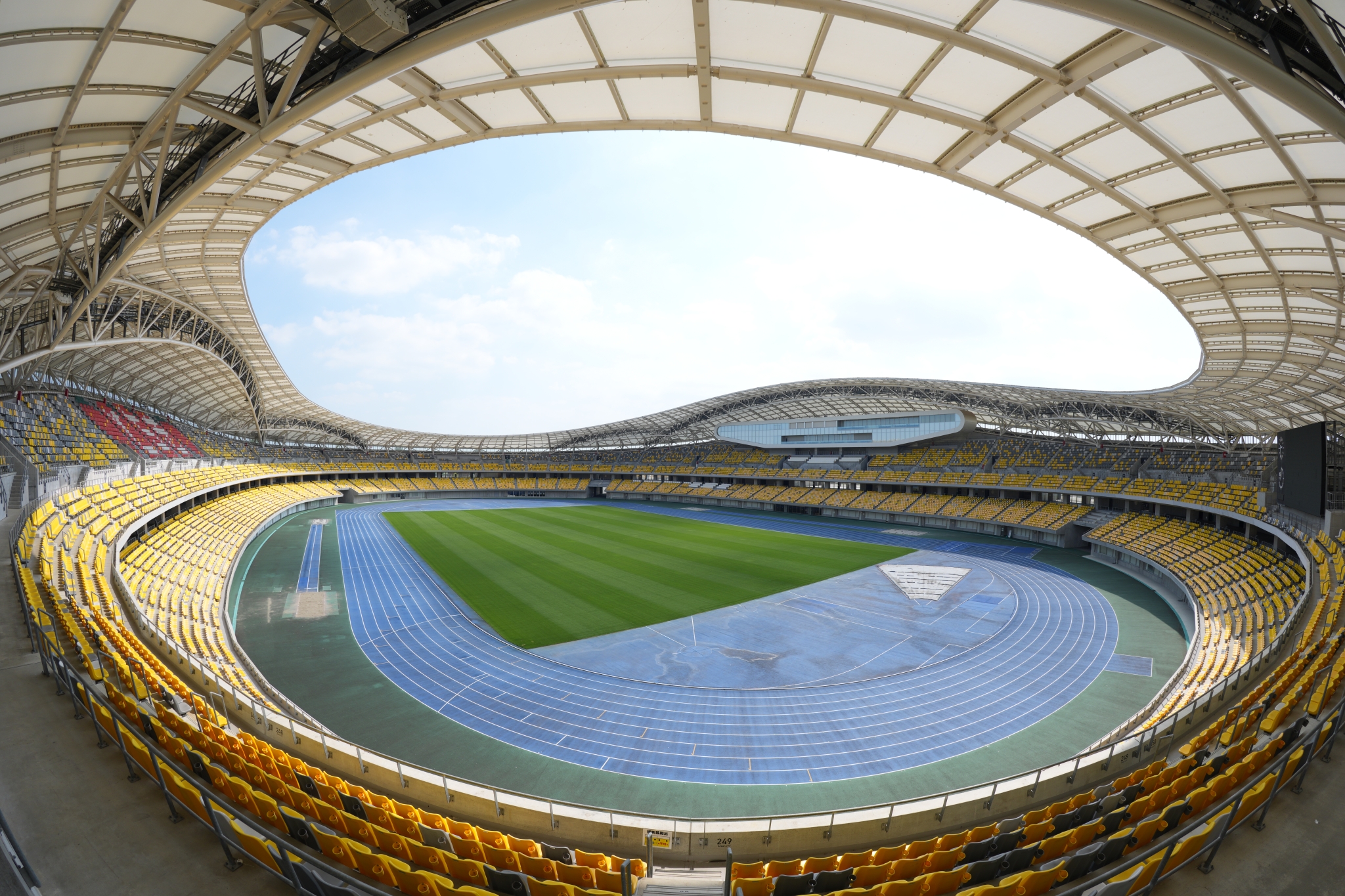
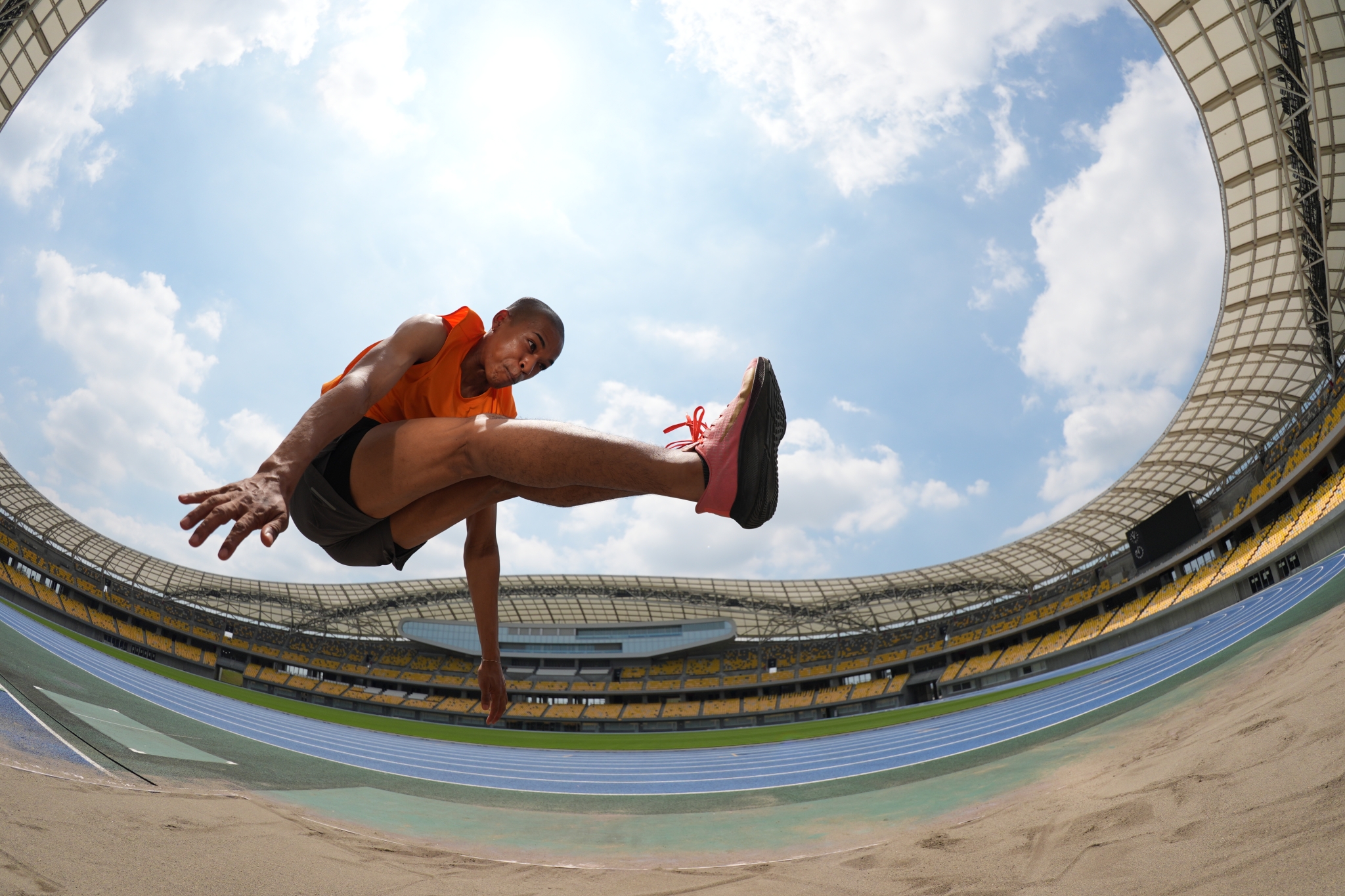
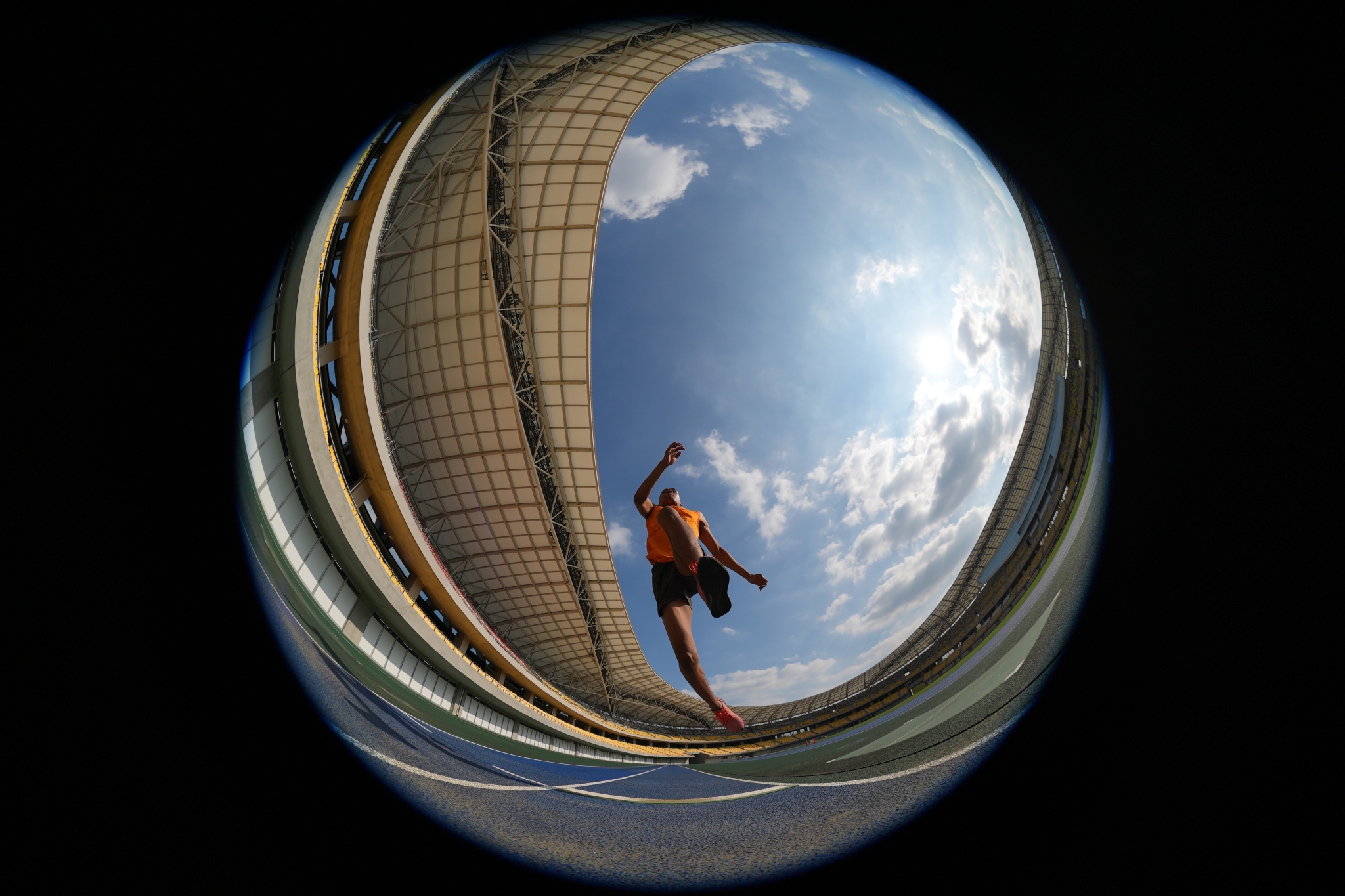
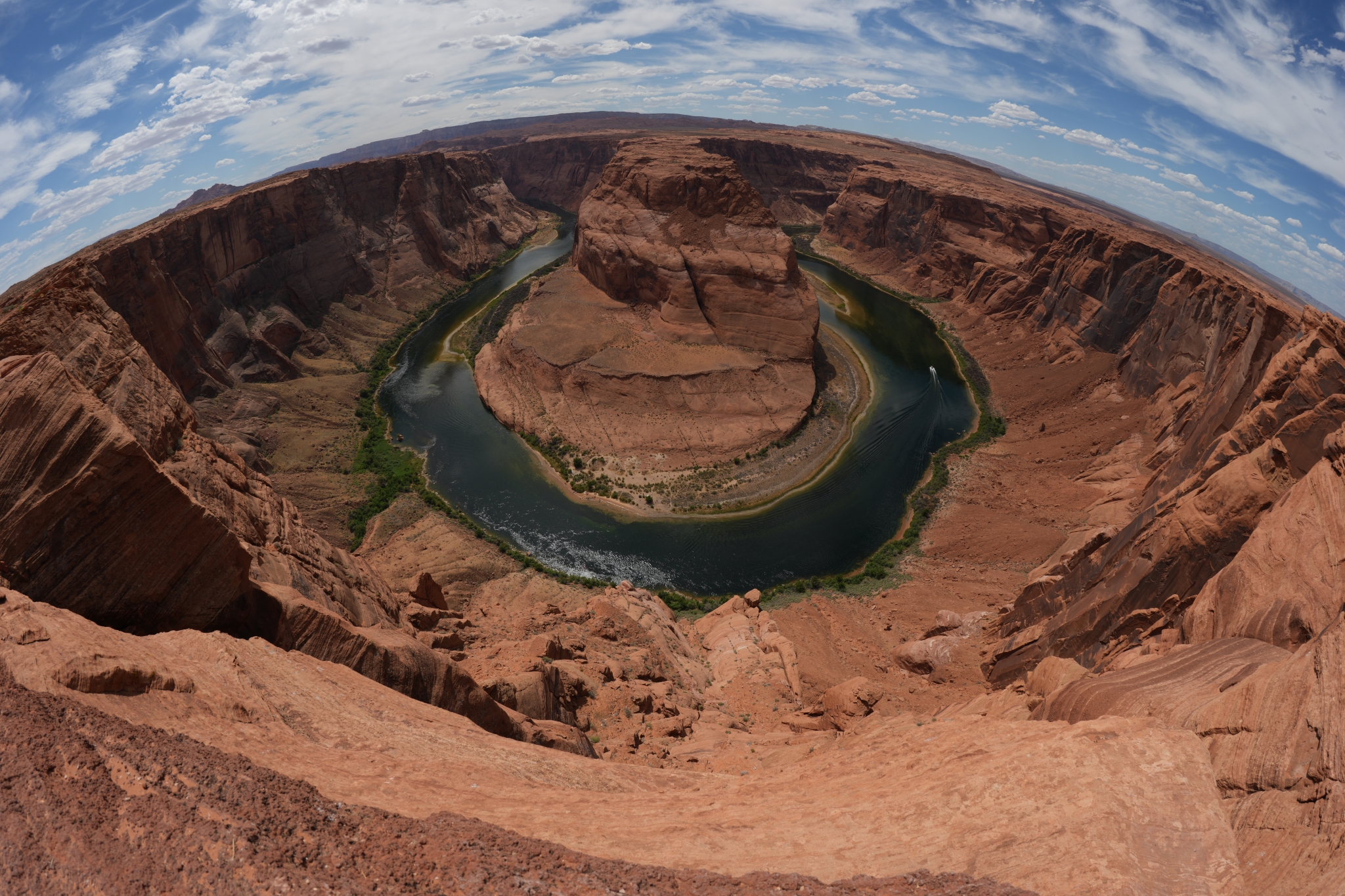
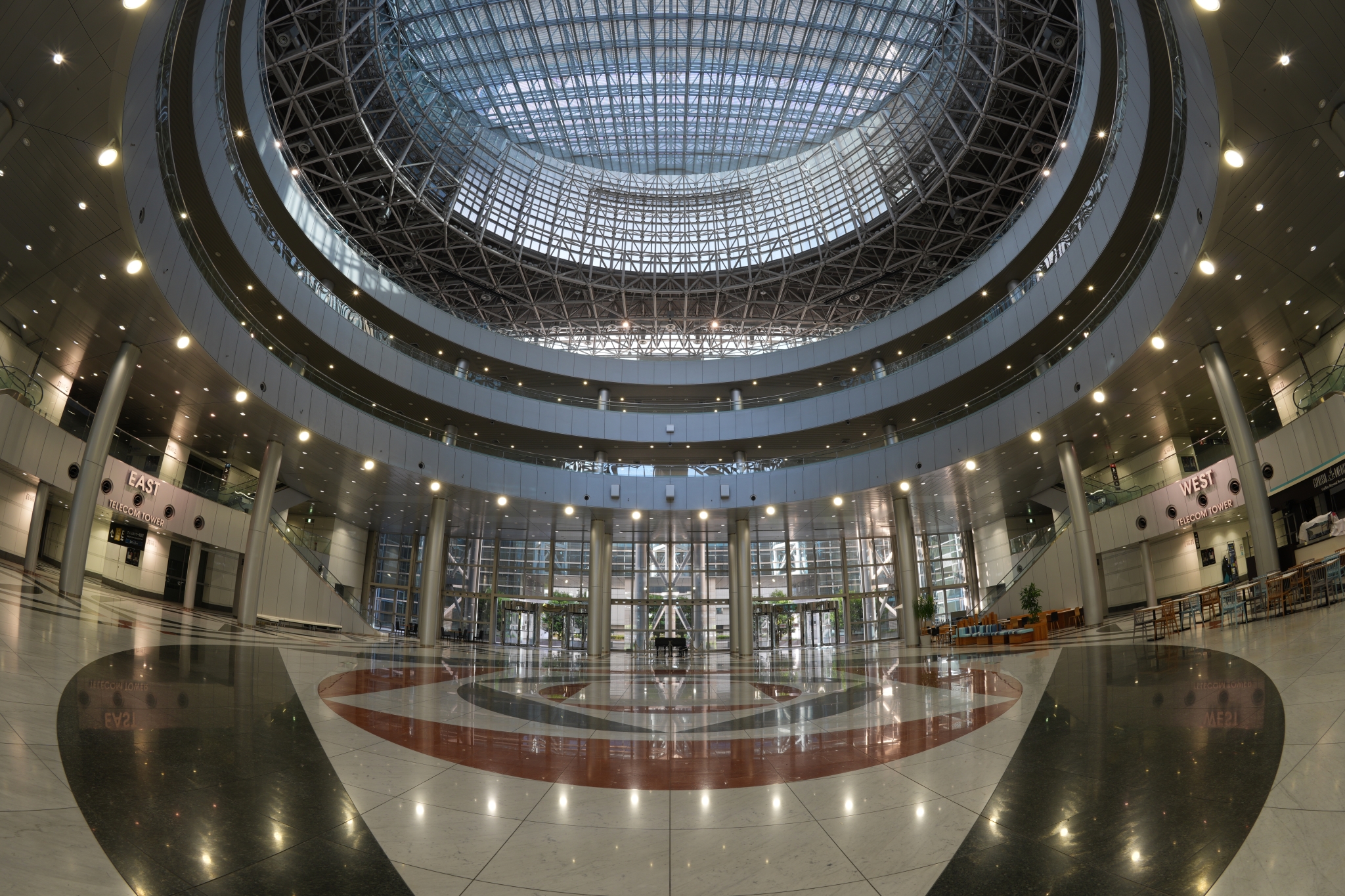
Sony’s official sample gallery includes stadium interiors, ornate ceilings, desert scenery and low-angle athletics. Selected settings listed by Sony:
- Stadium interior: 14mm, f/3.5, 1/1000 sec., ISO 100.
- Low-angle long jump: 14mm, f/3.5, 1/8000 sec., ISO 320.
- Circular long-jump image: 8mm, f/3.5, 1/10000 sec., ISO 250.
- Desert river bend: 14mm, f/8, 1/800 sec., ISO 100.
- Ornate ceiling: 14mm, f/8, 1/5 sec., ISO 100.
The two long-jump photographs are useful examples of the different framing options, although they are separate exposures rather than a controlled comparison.
Amateur Photographer: portraits, street scenes and close-ups
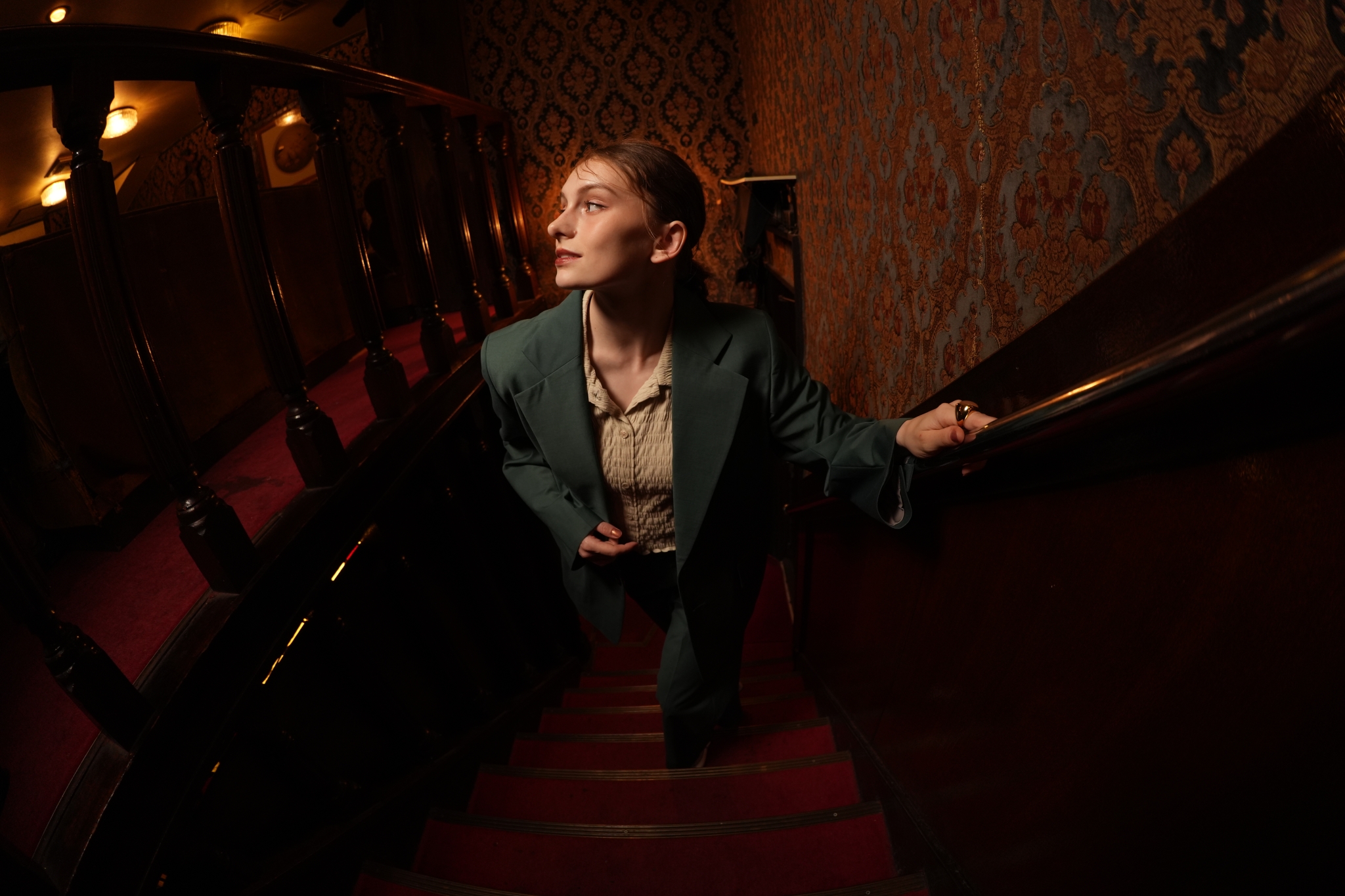
Amy Davies’ Amateur Photographer review and sample images show the lens on the Sony A7 V. Her set moves beyond sweeping views to include people and a close-focus flower photograph.
- Circular portrait: 8mm, f/3.5, 1/640 sec., ISO 100.
- Street photograph: 14mm, f/8, 1/800 sec., ISO 100.
- Flower close-up: 14mm, f/3.5, 1/40 sec., ISO 100.
- Interior architecture: 8mm, f/8, 1/40 sec., ISO 100.
- Landscape: 14mm, f/8, 1/400 sec., ISO 100.
Davies reports strong sharpness across the frame and quick, quiet autofocus. Her photographs offer a useful way to decide whether the exaggerated perspective suits your subjects, especially when shooting people at close range.
SheClicks: detail and the edge of the image circle
Angela Nicholson’s SheClicks review and sample gallery describes sharp, clean results with good detail across the image. She also notes chromatic aberration around the outer boundary of the image circle at the shortest focal lengths.
That distinction is useful when examining the samples: inspect the circular boundary as well as detail within the scene. Nicholson also discusses how moving a straight line away from the centre, or raising and lowering the horizon, changes the strength of the curves. Her review is worth reading alongside the photographs for those composition tips.
DPReview: an additional sample gallery
DPReview’s announcement and sample gallery provide another set to browse. The editors explain that a memory-card failure left them with fewer photographs than planned, so this is a smaller collection. The article also includes Sony’s illustration of the 8mm and 14mm views.
What to look for in the samples
Start with framing: does a complete circle add something to the photograph, or does the rectangular 14mm composition work better? Then compare subject placement, detail near the edges and the treatment of bright light sources. For close-ups and portraits, pay attention to how camera position changes the proportions of the foreground subject.
These galleries were made by different photographers under different conditions. They are useful for exploring the lens’s creative possibilities, but they do not establish a controlled ranking of sharpness or autofocus performance. The observations above are attributed to the original reviewers; this is a sample-image roundup, not our own hands-on test.
Official sample images reproduced above are credited to Sony. Follow the review links for the independent photographers’ galleries. Image rights remain with the respective photographers and publishers.